Generative AI has quickly moved from the fringes to the mainstream, and with that shift comes a wave of skepticism. The latest release of GPT-5, for example, has been met with equal parts fascination and mockery. Screenshots of minor failures like miscounting letters in a word or dots in an image go viral overnight. The message seems clear: if AI can’t get the basics right, how can we trust it for anything bigger?
But this perspective misses the larger point. Generative AI is not designed to be flawless; it’s designed to be useful. It can reason, code, write, translate, and process information at scales no human can match. Expecting perfection at this stage is like dismissing the internet in the 1990s because a webpage took minutes to load or giving up on smartphones because early voice assistants misheard commands.
Disruptive technologies evolve through imperfection. The real opportunity lies in how we respond to those limitations. Instead of dismissing AI, we should be asking:
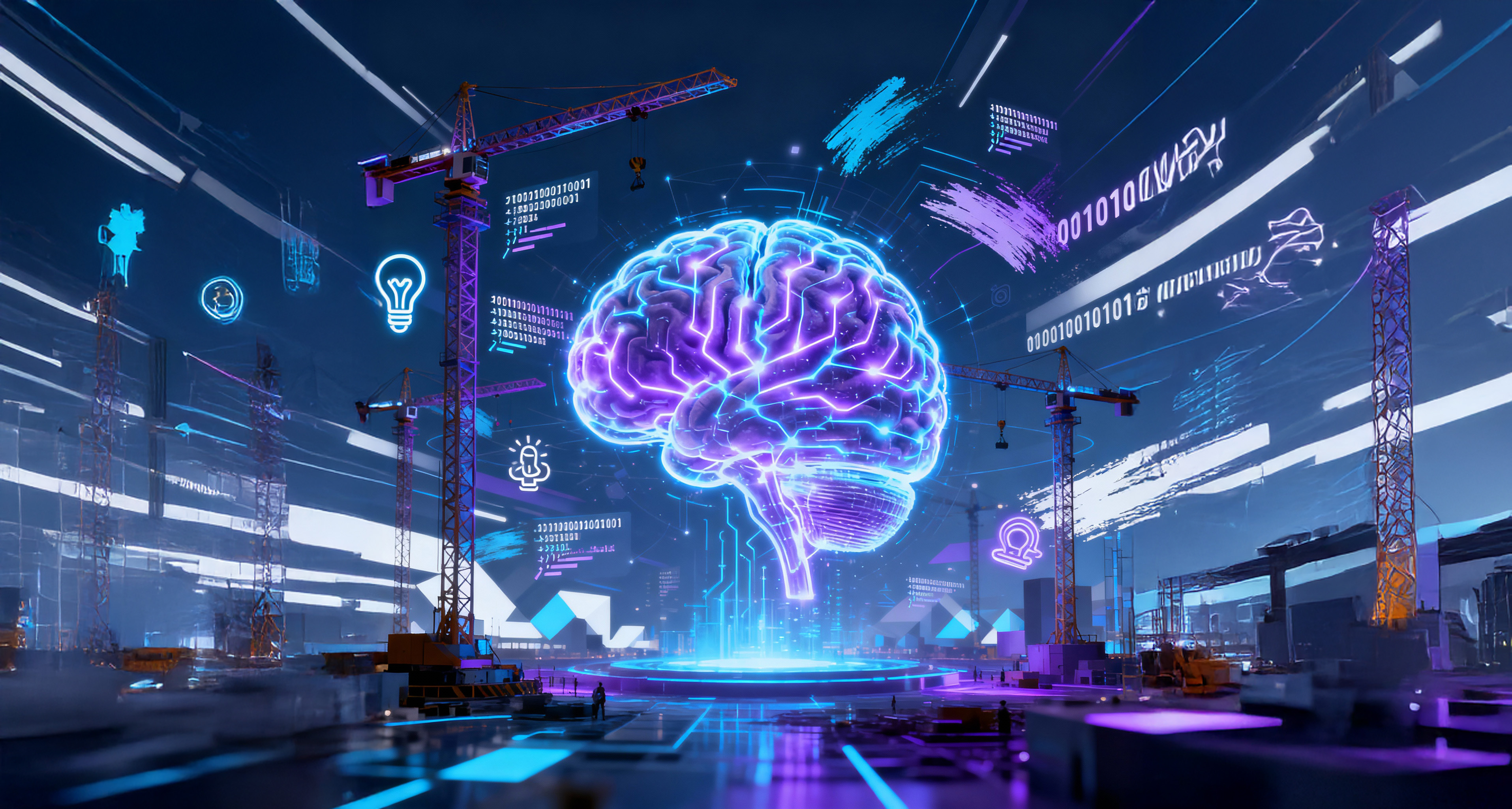
At Ariumsoft, we believe progress comes not from criticism, but from construction. Generative AI is a foundation, not a finished product. Those who focus on building with it—rather than tearing it down will define the next era of digital innovation.
.avif)